


William G. Skelly

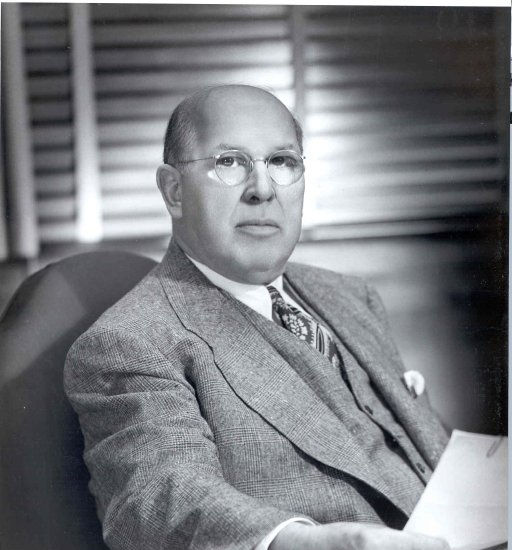
William Grove Skelly was born on June 10, 1878, in Erie, Pennsylvania, the son of William Skelly and Mary Jane Sweatman, immigrants of Irish and English descent. One of six children, he grew up in modest circumstances where discipline and hard work were daily expectations. As a boy he contributed to the family income by selling newspapers on the streets of Erie and shoveling snow in the winter. He attended public schools before completing a business course at Clark's Business School, finishing the program in less than a year.
His first experiences in the oil industry came at his father's side, hauling oilfield supplies over rough dirt roads with a horse-drawn wagon. Determined to learn the trade from the ground up, he later worked as a tool dresser in Venango County, Pennsylvania, earning $2.50 a day. Those years in the oil fields gave him firsthand knowledge of drilling, leases, and production, a foundation he carried with him for the rest of his career.
In 1898 his ambitions were put on hold when he enlisted in the Sixteenth Pennsylvania Volunteers during the Spanish–American War. He saw combat at the Battle of Coamo in Puerto Rico before returning home to civilian life.
After the war Skelly entered the natural gas business in Indiana, becoming manager of the Citizens Gas Company in Gas City. There he was struck by the immense waste of natural gas being vented or burned off. Fascinated by George Westinghouse's pioneering work in transporting gas by pipeline, Skelly studied the system and later applied those lessons as natural gas became vital to his own operations.
By the 1910s he was drilling independently, securing leases in Kansas and eventually establishing the Midland Refining Company in the El Dorado Field in 1916. With its success, he incorporated the Skelly Oil Company in 1919, selecting Tulsa, Oklahoma, as his headquarters. His company quickly grew into one of the largest independent petroleum firms in America. By the 1920s it was producing millions of barrels annually, operating pipelines, refineries, and hundreds of service stations across multiple states.

Skelly was also known for his dealings in Osage County, where the Burbank Field became one of the most productive in the country. At the famous "Million Dollar Elm" auctions in Pawhuska, he successfully bid for leases and worked closely with the Osage Nation to ensure that royalties from oil sales were paid directly to tribal members. He also introduced conservation practices to preserve gas pressure and extend the productive life of wells.

In addition to his oil interests, he became a civic leader and philanthropist. He served as president of the International Petroleum Exposition in Tulsa from 1925 until his death, helping to promote the city as a global energy center. In 1928 he founded the Spartan School of Aeronautics, which trained pilots and mechanics and became a critical resource during World War II. He supported churches, hospitals, schools, and civic institutions throughout Tulsa and was remembered for quiet personal acts of generosity as well as large-scale gifts.
In recognition of his contributions, the Oklahoma Legislature passed a resolution in 1955 describing him as "Tulsa's greatest asset." To many, he embodied both the rise of America's independent oilmen and the civic responsibility that accompanied great wealth.

William Grove Skelly died on April 11, 1957, in Tulsa, Oklahoma, at the age of seventy-eight. He was entombed in the mausoleum at Rose Hill Memorial Park.


Comments