


Betty Brooke Blake
- Bobby Kelley
- Mar 1
- 4 min read


Elizabeth Muhlenberg Brooke was born on April 25, 1916, in Philadelphia, Pennsylvania, into a family whose name already carried history. Her father, George Brooke Jr., was a banker and steel manufacturer whose family roots were embedded in Pennsylvania industry. Her mother, Lucile Stewart Polk of Baltimore, descended from President James K. Polk and had survived the sinking of the Titanic four years before Elizabeth's birth. That tragedy would shadow the family name, though Elizabeth herself later dismissed it with impatience. It had happened before she was born, she would say, and she refused to let it define her.

She was raised at Almondbury on the Main Line, in a world of formal gardens, long drives, and inherited expectations.

Her education carried her from Miss Wright's School to Westover in Connecticut, and then to Paris, where she spent three formative years. In Paris she discovered art not as decoration but as revelation. Under the guidance of Madame Chapon, she visited the Louvre several times each week. Standing before eighteenth and nineteenth century masters, she asked herself a question that would quietly shape her life. If such beauty existed in the past, what were artists creating now.

Her mother died on October 26, 1934. Elizabeth was eighteen. She had made her debut the previous season, stepping into society just as the most complicated influence in her life disappeared. On May 29, 1936, she eloped to Elkton, Maryland, and married Thomas Wilton Phipps, nephew of Lady Astor. The marriage was impulsive and romantic. Soon after, they sailed for London.
In London she entered a vivid Anglo American circle of writers, decorators, and aristocratic families. She did not drink, but she drove friends from party to party and absorbed the energy around her. On November 24, 1937, her son Wilton, called Tony, was born in Twickenham. She was twenty one.
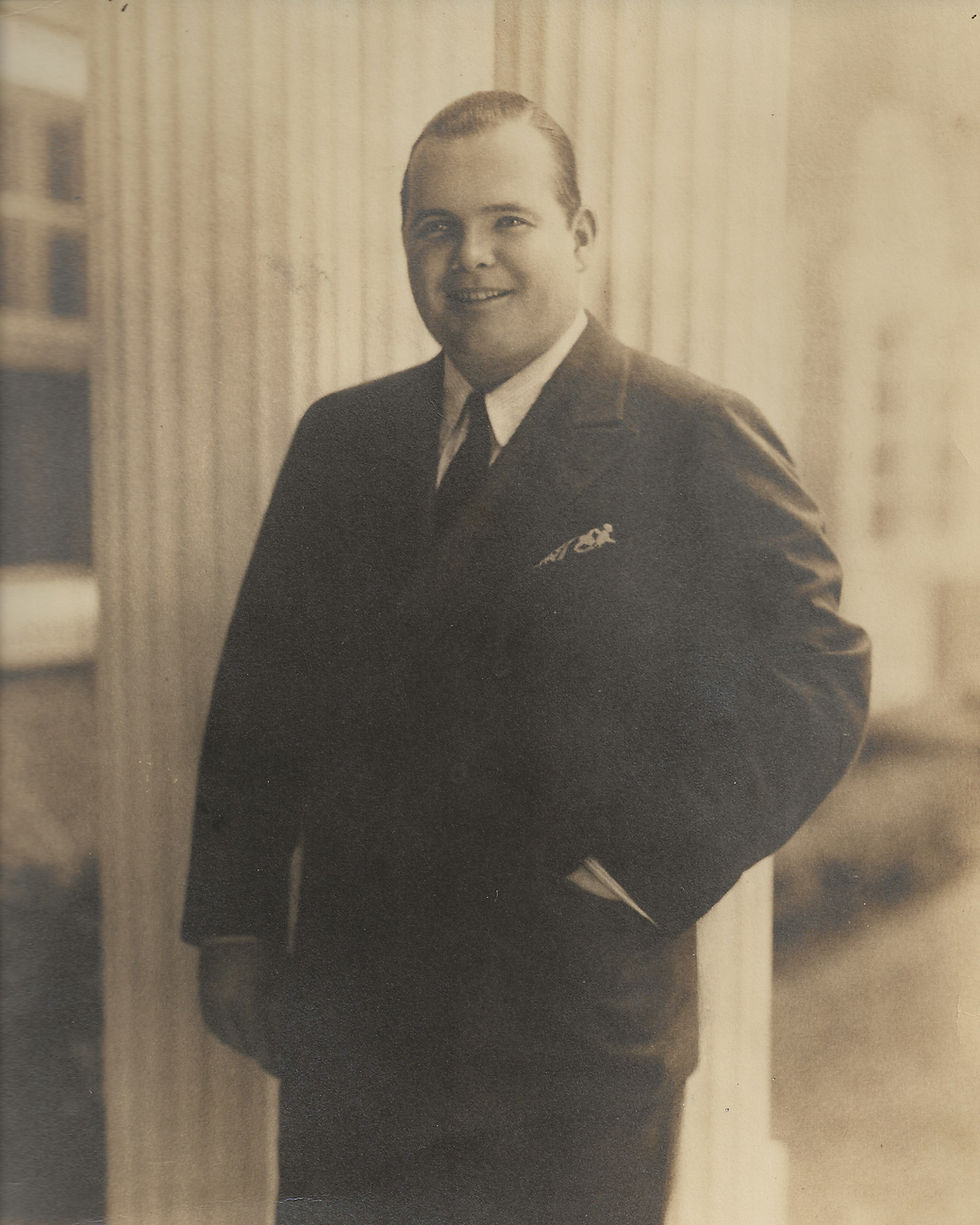
The marriage fractured within three years. In July 1939, she obtained an uncontested divorce in Reno on grounds of cruelty. Less than a month later, on August 21, 1939, she married Edward James Reeves in Bar Harbor, Maine. Reeves was a New York stockbroker, and she returned to Manhattan life.
On March 20, 1942, their daughter Joan was born in New York City. Ten months later, on January 26, 1943, Reeves died at the age of thirty seven. Elizabeth was twenty six, widowed with two small children.

On February 1, 1944, she married John Randolph McLean in Bryan County, Oklahoma.

Through that marriage she entered Texas life, dividing her time between Dallas and Newport. Dallas in the 1940s was wealthy and ambitious but culturally cautious. Elizabeth was neither cautious nor timid. In 1951 she opened the Betty McLean Gallery in Dallas, the first gallery in Texas devoted exclusively to contemporary European and American art. She hung Picasso and Monet on walls in a city that was not yet comfortable with modernism. She exhibited living artists whose names were unfamiliar to most collectors. The gallery did not make her rich. It made her influential.
Her marriage to McLean ended on April 30, 1953, when a divorce decree was finalized in Miami.

On September 12 of that same year, she married Thomas Walter Blake in Dallas. Two sons followed in close succession. Thomas Brooke Blake was born on June 6, 1954. Douglas Walter Blake was born on July 17, 1955.
Her gallery closed in the mid 1950s, but its effect endured. She shifted from dealer to institutional force. She became deeply involved with the Dallas Museum of Contemporary Arts and later helped guide its merger with the Dallas Museum of Fine Arts, shaping what would become the Dallas Museum of Art. She served in leadership roles with the American Federation of Arts and for decades sat on acquisitions committees, most notably at the Modern Art Museum of Fort Worth. She trusted her own eye. She bought what moved her rather than what was fashionable.
Wilton "Tony" Phipps
On July 9, 1959, her eldest son Tony died in Oak Creek, Wisconsin, at the age of twenty one.
Her marriage to Thomas Walter Blake ended in the early 1960s.

On September 27, 1962, she married Samuel Allen Guiberson III, an inventive Texas oilman. That marriage lasted until May 25, 1973, when it ended in divorce in Dallas. After that, she did not marry again.
The remaining forty three years of her life were lived independently. She divided her time between Dallas and Newport, where she had summered as a girl and where she had first stepped into society. In Newport she was known as Boop, a nickname from her youth. She swam in the ocean into her nineties. She drove herself long after others surrendered their keys. She read the New York Times and the Wall Street Journal daily, using a magnifying glass when necessary. She remained a practicing Christian Scientist and abstained from alcohol and tobacco. She traveled widely and even trekked in Nepal in her late eighties.

Artists found in her not a decorative patron but a champion. She supported emerging painters and sculptors before they were safe choices. She hosted gatherings where artists and collectors mingled easily. Her homes in Dallas and Newport were filled with serious art and serious conversation. Over time, her collection grew to include major figures of twentieth century art. Much of it would pass to her children or to museums, extending her influence beyond her lifetime.

On August 8, 2016, at the age of one hundred, Elizabeth Muhlenberg Brooke Blake died in Newport, Rhode Island, following complications from a fall at her home. She was buried at Saint Mary's Episcopal Churchyard in Portsmouth.

She had been a Philadelphia heiress, a London bride, a Manhattan widow, a Texas pioneer in modern art, and a Newport matriarch. Through marriage, widowhood, reinvention, and independence, she remained unmistakably herself. Her legacy is not merely the art she owned, but the cultural confidence she helped instill in a city still learning to look forward.


Comments